
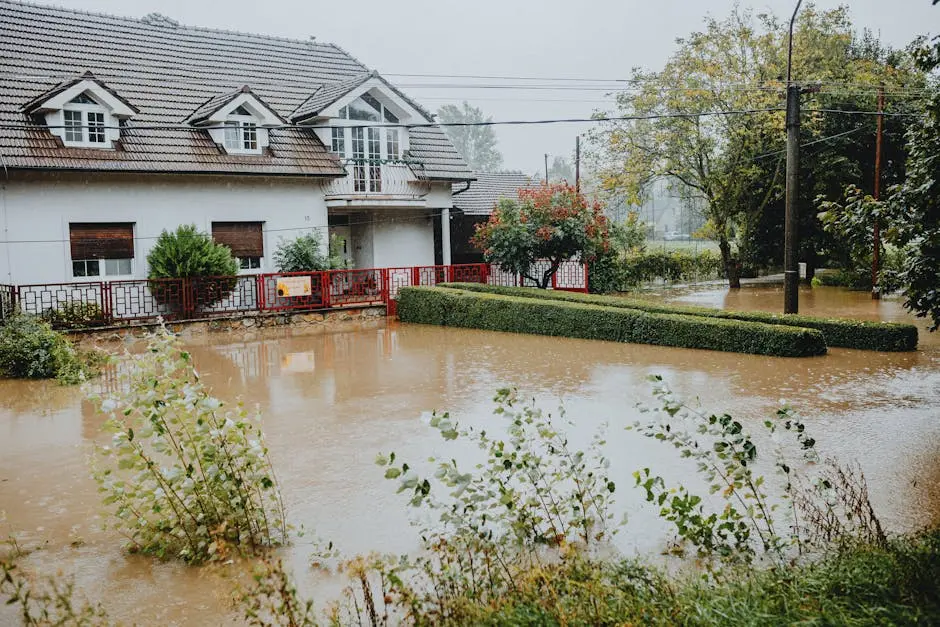
Flood damage can devastate homes and businesses, leading to not only physical repair needs but also significant financial implications. Understanding how flood damage claims work is essential for homeowners and business owners alike. Let’s explore the effects of these claims on our lives in detail.
Understanding Flood Damage Claims
Flood damage claims are a crucial aspect of insurance policies that can help homeowners and businesses recover from losses due to flooding. Knowing what qualifies as flood damage is the first step in the claims process.
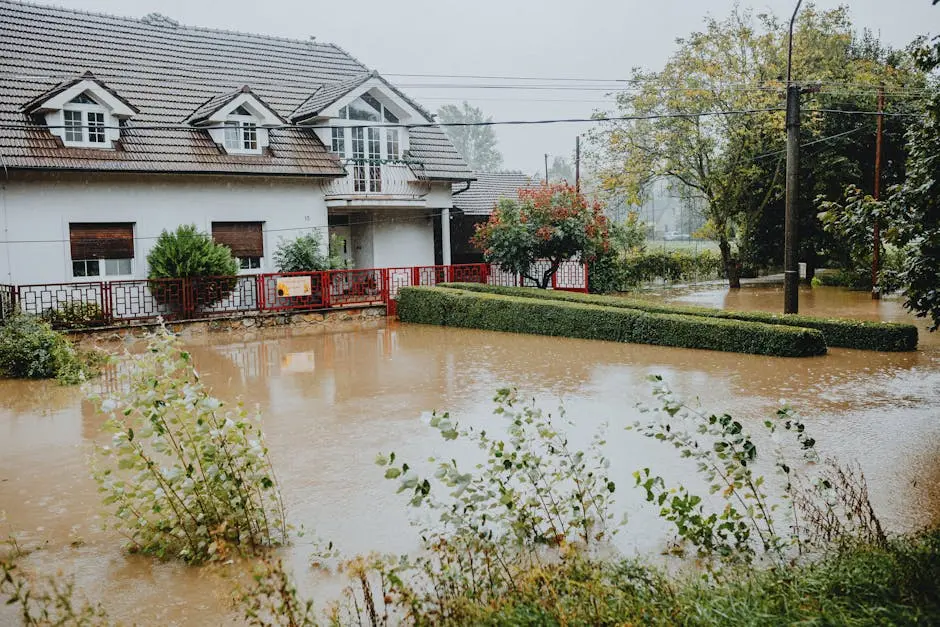
It’s important to recognize that not all water damage is classified as flood damage under insurance policies. Flooding typically refers to water that has overflowed from a body of water, such as rivers or lakes, and infiltrated homes or businesses. Understanding this distinction can save policyholders a lot of confusion and heartache when filing claims.
Moreover, being proactive about understanding your own policy can empower you when you face a flood event. Take time to read your insurance documents and reach out to your agent with questions. This knowledge serves as a shield during stressful times when flooding occurs, making it abundantly clear what steps you need to take.
Common Challenges Homeowners Face
Homeowners often encounter obstacles such as denied claims, insufficient coverage, and the lengthy bureaucratic process. These challenges can add to the stress of recovery after a flood.
One of the main hurdles is dealing with denied claims. This can be especially disheartening when homeowners expect assistance based on their premiums, only to be met with refusal from their insurers. Common reasons for denials include inadequate documentation or a policy not covering certain types of water damage. Thus, homeowners should always document their possessions through photos or videos to provide evidence if they need to file a claim.
In addition to denials, many homeowners discover that their coverage is not enough to fully cover the damages. For instance, if a policy has a low coverage limit or lacks specific provisions for flooding, the financial impact can be severe. Homeowners should regularly assess their coverage and consider optional endorsements or policies, especially in high-risk areas.
Finally, the claim process itself can be exhausting and confusing. Filing paperwork, negotiating with adjusters, and waiting can feel like an endless cycle. It’s essential to be patient, but also to stay persistent. Having organized documentation can facilitate smoother interactions with insurance companies.
The Financial Implications for Businesses
For businesses, the impact of flood damage claims can extend beyond just the physical loss; it can affect cash flow and operational capability. Understanding the financial implications helps in strategic planning.
When business owners encounter floods, they are not only dealing with the immediate damage to inventory and property; they are also facing potential loss of income while operations are halted. A comprehensive flood damage claim becomes vital, as it helps bridge the gap during this challenging period. Ideally, business owners should have an emergency plan in place which includes contingency funding to cover operating costs while repairs are underway.
Moreover, the time taken to process a flood damage claim can vary dramatically. Some businesses may have to wait weeks or even months for their claims to be settled, delaying their recovery. This financial uncertainty can lead to difficult decisions about staff layoffs, reduced hours, or even the permanent closure of the business. Understanding the claims process and being prepared with all necessary documentation can make a significant difference in how quickly businesses can recover.
The Role of Local and Federal Assistance
After a flood, local and federal assistance programs can provide additional support to affected homeowners and businesses. Knowing what resources are available can make a significant difference.
Local governments often mobilize immediately post-flood to provide resources such as temporary shelters, food assistance, and even emergency funds. Homeowners and business owners should stay informed through local news outlets or community bulletins to understand what assistance is available in their area.
On the federal level, programs like the Federal Emergency Management Agency (FEMA) offer support through disaster relief funds. For homeowners, they provide low-interest loans to cover repairs and could even grant assistance for personal property losses. It’s crucial to apply for these programs as soon as they become available, as funds can run out quickly.
Additionally, non-profit organizations often step in to offer help in the aftermath of a disaster. From providing grants to funding home repairs, these organizations play a pivotal role in the recovery process. Research available organizations in your community that specialize in disaster recovery, as they might offer resources that traditional insurance claims do not cover.
Wrapping Up: Navigating the Waters of Flood Damage Claims
Dealing with flood damage claims can be overwhelming, but understanding the process can significantly alleviate the stress. Homeowners and businesses should prioritize getting educated about their insurance policies and the claims process. Remember, when faced with flood damage, knowledge is power. Having a Trusted Public Adjuster by your side will make sure that your claim is resolved properly and in your favor.